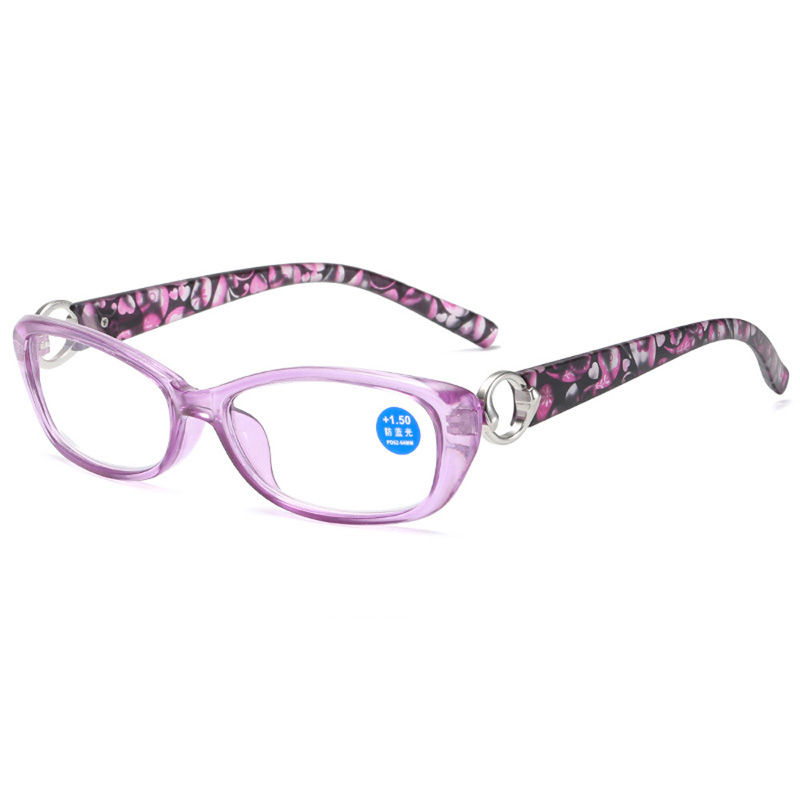
Finding the perfect pair of reading glasses can feel like a quest. We all want something comfortable, effective, and easy on the eyes (and the wallet!). When I started looking for the prescribed reading glasses, I made a lot of mistakes. I thought I was being smart, but I ended up with glasses that were uncomfortable, broke fast, or just didn't work. I get it, we all want to save money. But when it comes to something you wear on your face and rely on for clear vision, cutting corners is a big mistake. Learn from me so you don't make my errors.
This guide will show you the traps I fell into. It will help you pick the right lightest reading glasses without the headaches I had. You want comfort, clear vision, and glasses that last. I will show you how to get them.
My first big mistake was always looking for the absolute lowest price. I'd see a pair of reading glasses for a few dollars and think, "Score!" I believed all reading glasses were pretty much the same. Boy, was I wrong.
I ended up with glasses that felt flimsy right out of the box. The plastic was thin. The screws holding the arms wobbled. They fit poorly on my face. After just a couple of weeks, one of the arms broke off when I took them out of my bag. It wasn't even a hard drop. It was just cheap material giving up.
Simulated Review Example: "These broke after a week. Total waste of money. Don't bother if you need them to last."
I thought I saved money, but I actually just wasted it. I had to buy another pair much sooner than expected. The "deal" ended up costing me more in the long run.
Verdict: Don't just pick the cheapest option. Think about quality and how long they will last. Very low prices often mean very low quality. It is okay to spend a little more for glasses that work and don't fall apart.
After my first cheap pair broke, I still didn't fully learn. I looked for slightly more expensive options, but I still didn't know what to look for. I just picked glasses based on how they looked in the picture. I didn't check the details about materials or how they were made. This was another big mistake.
I ended up with glasses where the frames felt like cheap plastic. They squeaked when I opened them. The lenses scratched super easily, even with careful cleaning. Soon, I was looking through hazy smudges all the time. The hinges were loose and wobbly, making the glasses feel unstable on my face. These were supposed to be lightest reading glasses, but they felt poorly put together.
Simulated Review Example: "The frames feel like cheap plastic. Lenses scratch easily. My vision is worse with these because of all the scratches."
I learned that just because glasses cost a bit more, it doesn't mean they are good. You need to look at what they are made of. What kind of plastic? Are the hinges strong? What kind of lens material is used?
Verdict: Always check the product description for quality details. Look for good materials like durable resin lenses, strong hinges, and comfortable frame designs. Don't just trust the picture; trust the specs.
This seems obvious now, but I used to skip reading reviews. I'd glance at the star rating and move on. My thinking was, "How bad can reading glasses be?" Very bad, it turns out, if you ignore what other real buyers are saying.
I bought a pair that looked great online. When they arrived, they were too small for my face. The arms pressed into my temples, giving me headaches. The lenses were blurry around the edges. If I had spent just five minutes reading reviews, I would have seen many people complaining about the small fit and poor lens quality.
Simulated Review Example: "I wish I'd read more reviews. They don't fit well at all, squeeze my head. The lenses distort things on the sides."