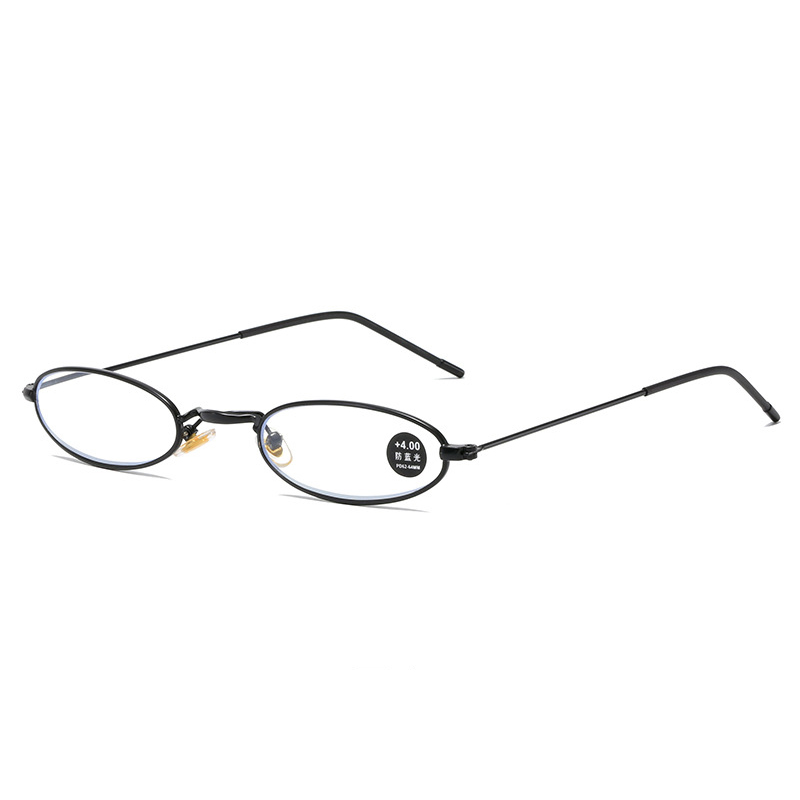
Have you ever purchased something, hoping it would solve a problem, only to end up more frustrated than before? That was my experience for a long time with blue light reading glasses. I spend countless hours on my computer, and my eyes were constantly tired and strained. I kept hearing about blue light glasses and their potential benefits, so I started buying them—one inexpensive pair after another.
Looking back, I likely spent hundreds of dollars over a few years. Each pair cost between $15 and $30, which doesn't sound like much initially. But when you buy five, seven, or even ten pairs because none of them work properly or last, the cost adds up quickly. More than the money, I wasted so much time: time researching, waiting for shipments, trying them on, and feeling disappointed. And my eyes still hurt!
Don't make the same mistakes I did. I'm sharing my story to help you avoid the headache and find the right blue light reading glasses more quickly.
My first major mistake was always choosing the cheapest option. I thought, "How different can blue light reading glasses really be?" I couldn't have been more wrong. Most of those extremely cheap glasses were terrible. They looked nice in online photos but felt flimsy in my hands. The frames bent easily or broke after a few weeks, and sometimes the screws just fell out.
The lenses were the biggest issue. Some scratched so quickly it seemed they were made of plastic wrap. Others had a strange tint that made everything look odd, or worse, they distorted my vision. Reading through them felt like looking through a funhouse mirror. My eyes strained even more to adjust, completely defeating the purpose of buying them!
Verdict: Super cheap glasses are a false economy. You'll spend more replacing them than if you had invested in a quality pair from the start. Look for sturdy materials and clear, well-crafted lenses.
Another big regret was how easily I fell for marketing tricks. Many sellers claimed their blue light reading glasses blocked 90% or even 100% of harmful blue light, complete with fancy graphs and diagrams. I believed them because I wanted to—my eyes were tired, and I desperately needed a solution.
But even with these glasses, my eyes still felt strained, and I still got headaches after long hours in front of the screen. It turned out many of these inexpensive glasses offered very little actual blue light protection. The lenses might have had a slight yellow tint, but that didn't mean they were effective. It was all talk and no real help. Once, I even tried a simple home test with a blue light pen (available online) and realized my "blue light blocking" glasses did almost nothing—the light passed right through!
Verdict: Don't just trust bold claims. Look for genuine user reviews, and consider performing a simple blue light test if you have doubts about a product's effectiveness.